
Why Stage Design Matters for Launches and Summits
The stage is not the décor of an event. It is the center of narrative, attention and brand authority.
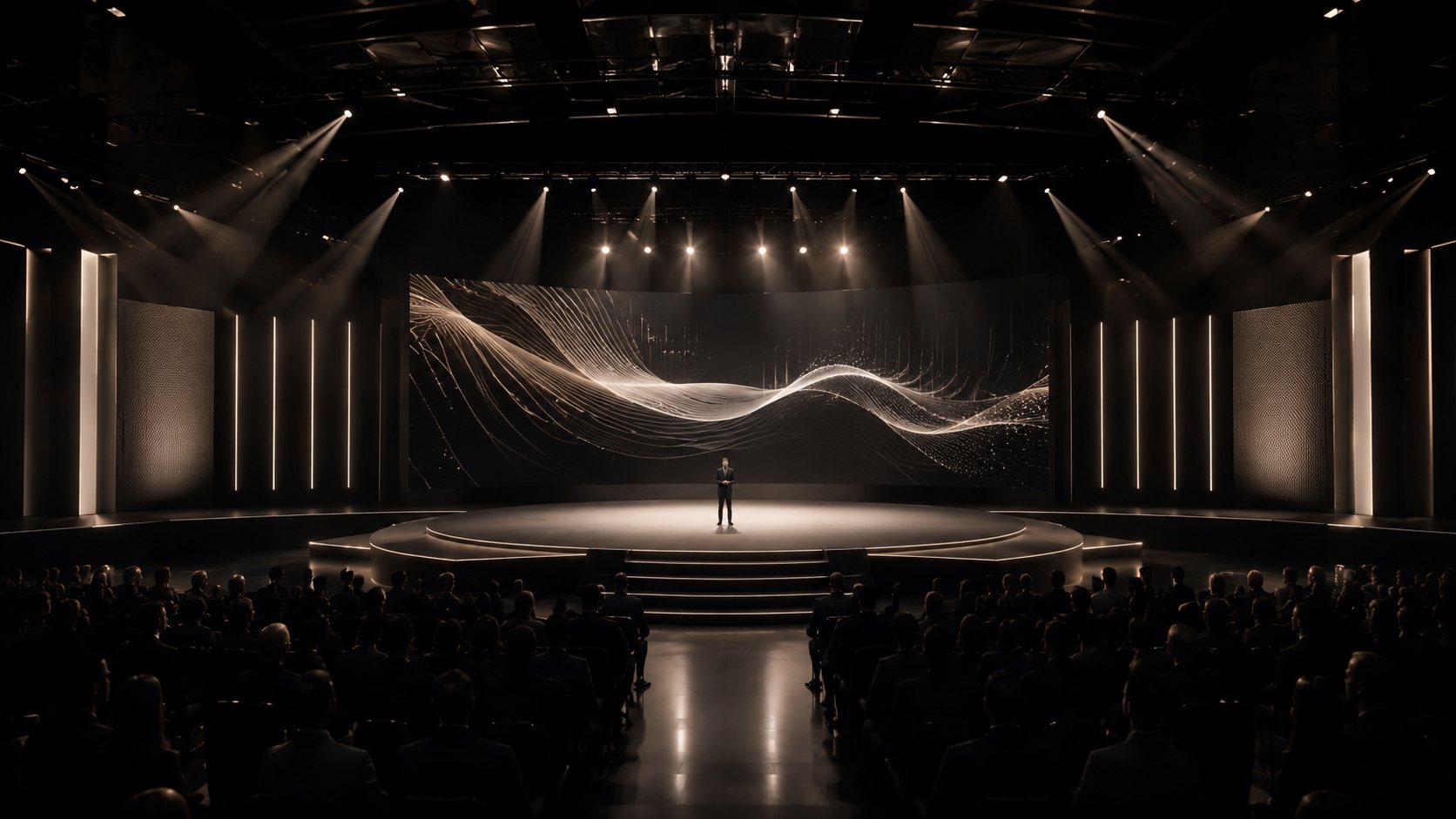
In a launch or summit, the stage is not merely where the speaker stands. It shows how the brand positions itself, how it prioritizes content and how it manages audience attention.
That is why stage design is not only an aesthetic decision, but a strategic communication issue.
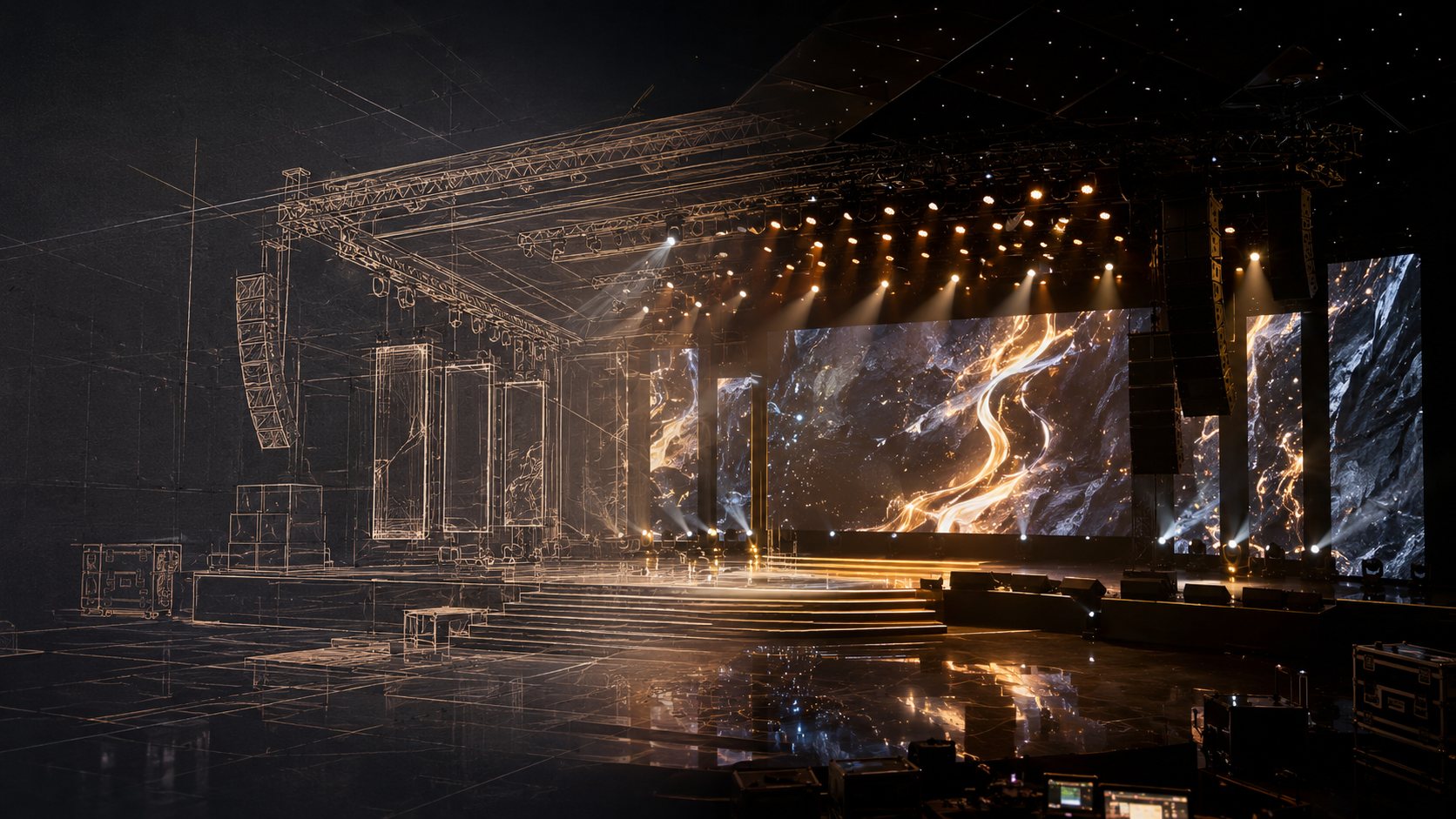
The stage builds message hierarchy
What should the audience see first? The speaker, the product, the data or the brand motto? These questions are at the core of stage design.
The right stage turns content flow into a visible hierarchy.
LED surfaces must carry narrative
LED screens are not only large visual surfaces. When used with the right content, they create rhythm, emotion and focus.
When used poorly, they add visual noise rather than strength.
Camera is now part of stage design
Many events are no longer experienced only in the room. They move onto a second stage through photo, video, livestream and social media.
That is why the stage must look strong not only from the audience seat, but also through the camera.
The Reset perspective
We do not design the stage as a decorative surface. We design it as the attention center of the event.
When lighting, LED, speaker, content and camera language serve the same strategic center, the stage finds its real power.